Why Visit Pamukkale?
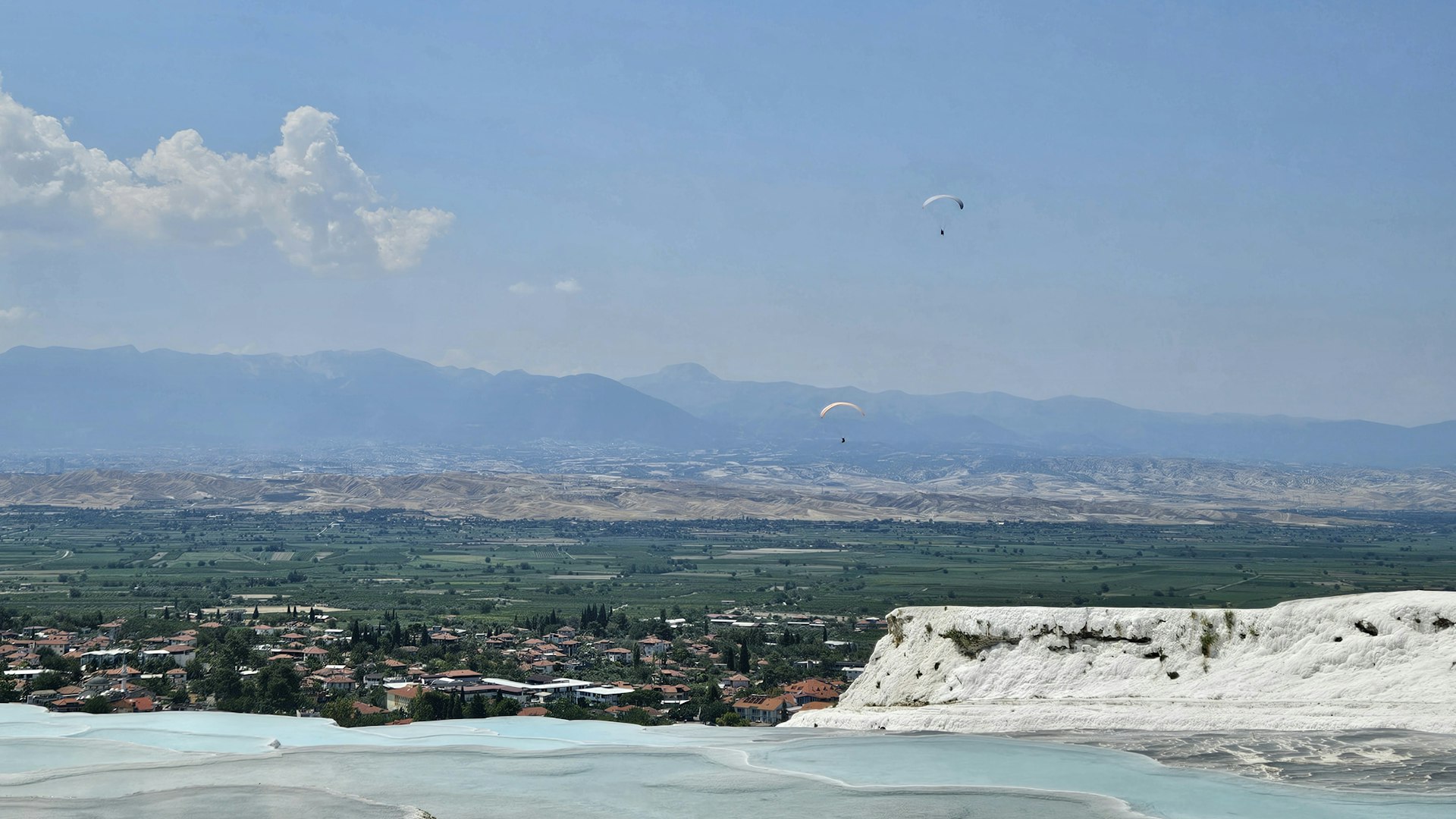
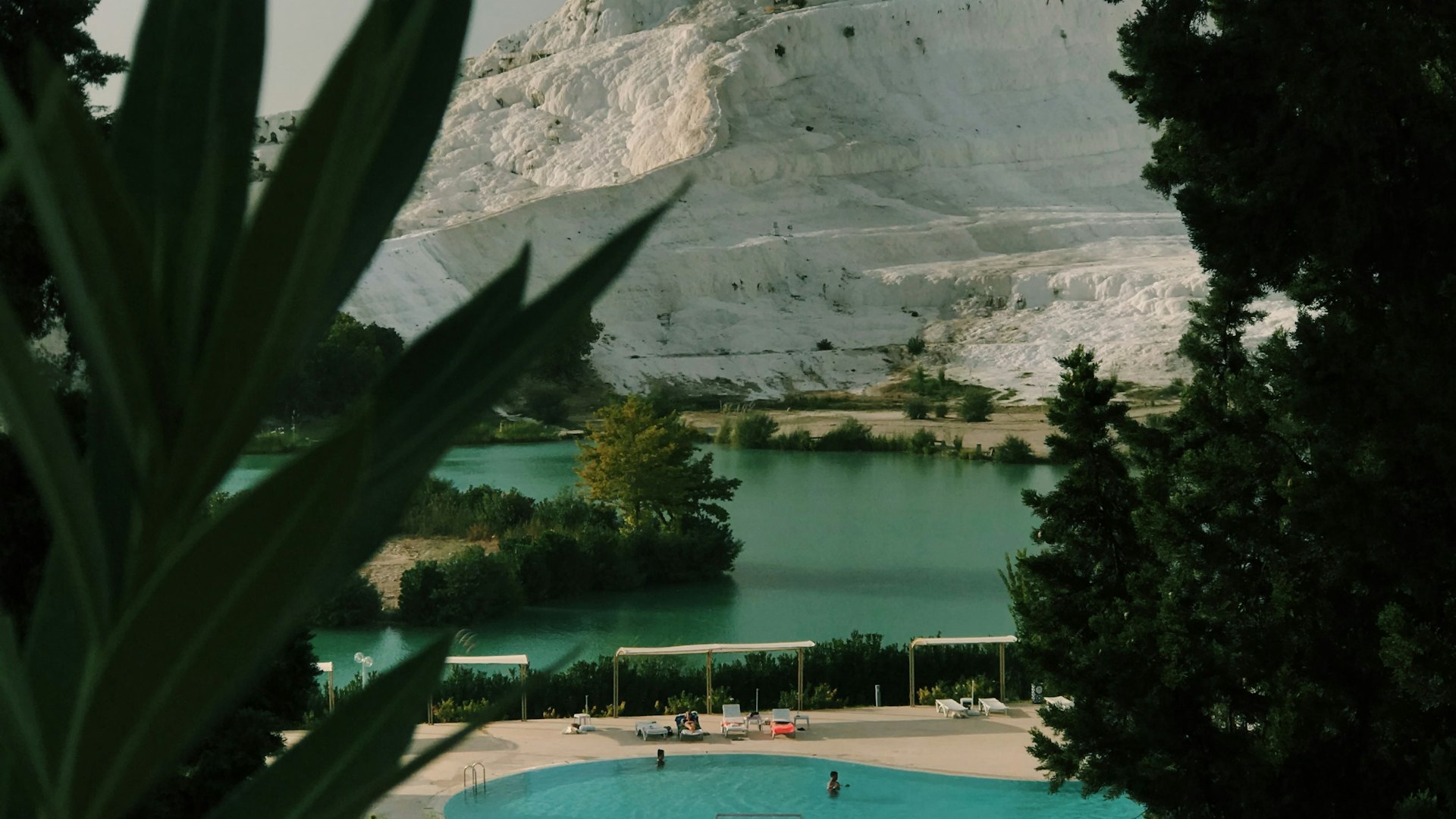
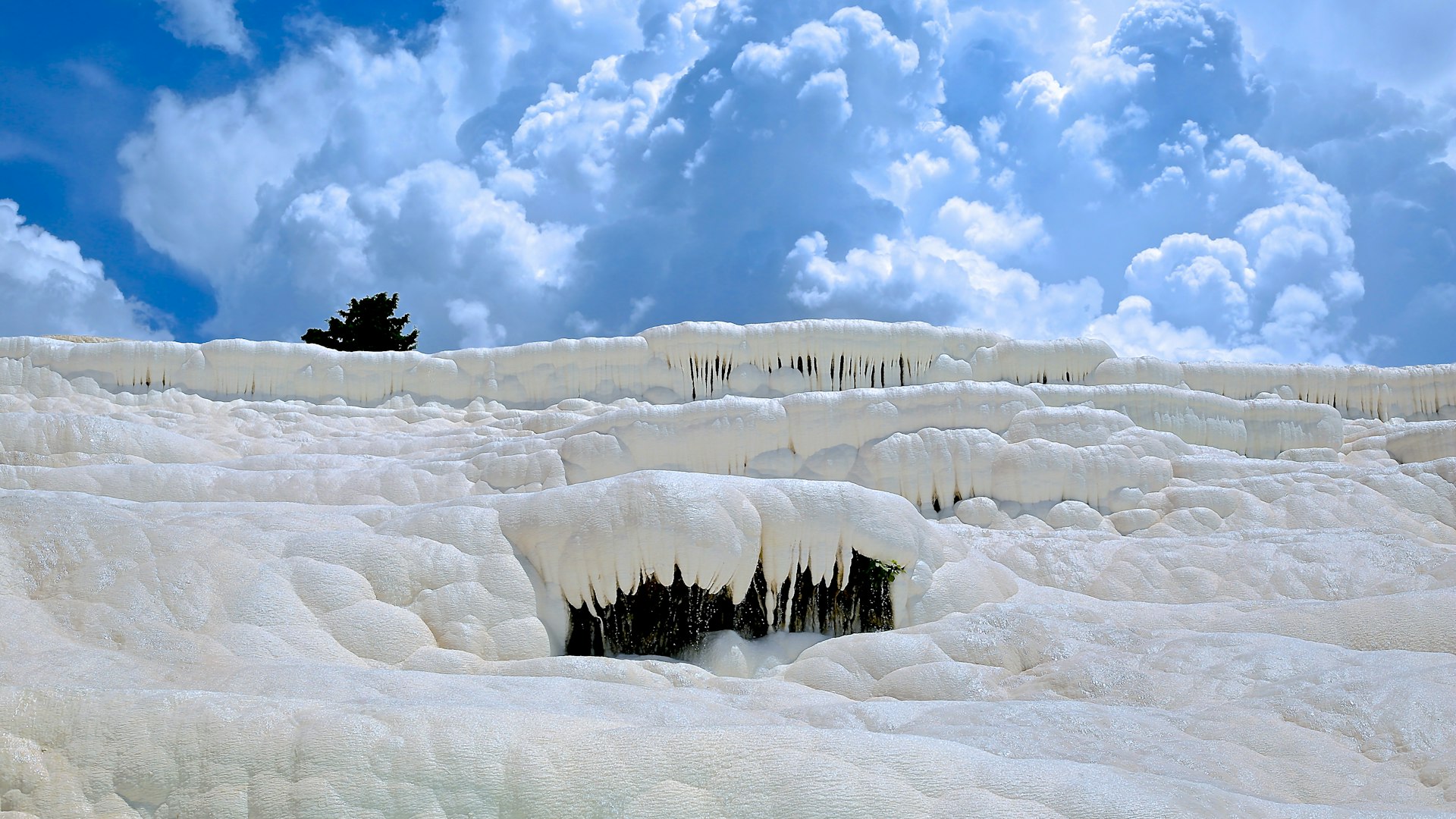
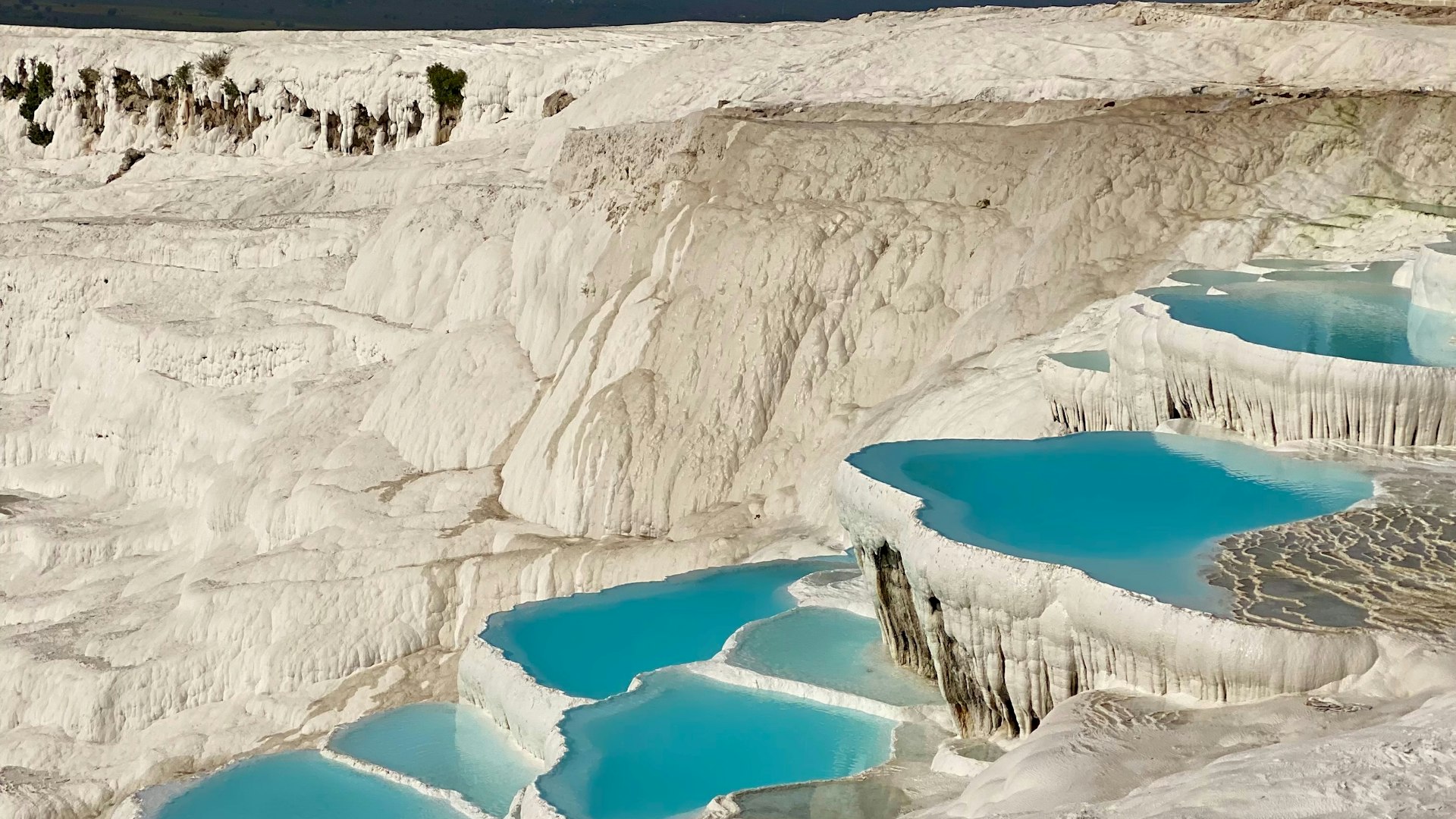
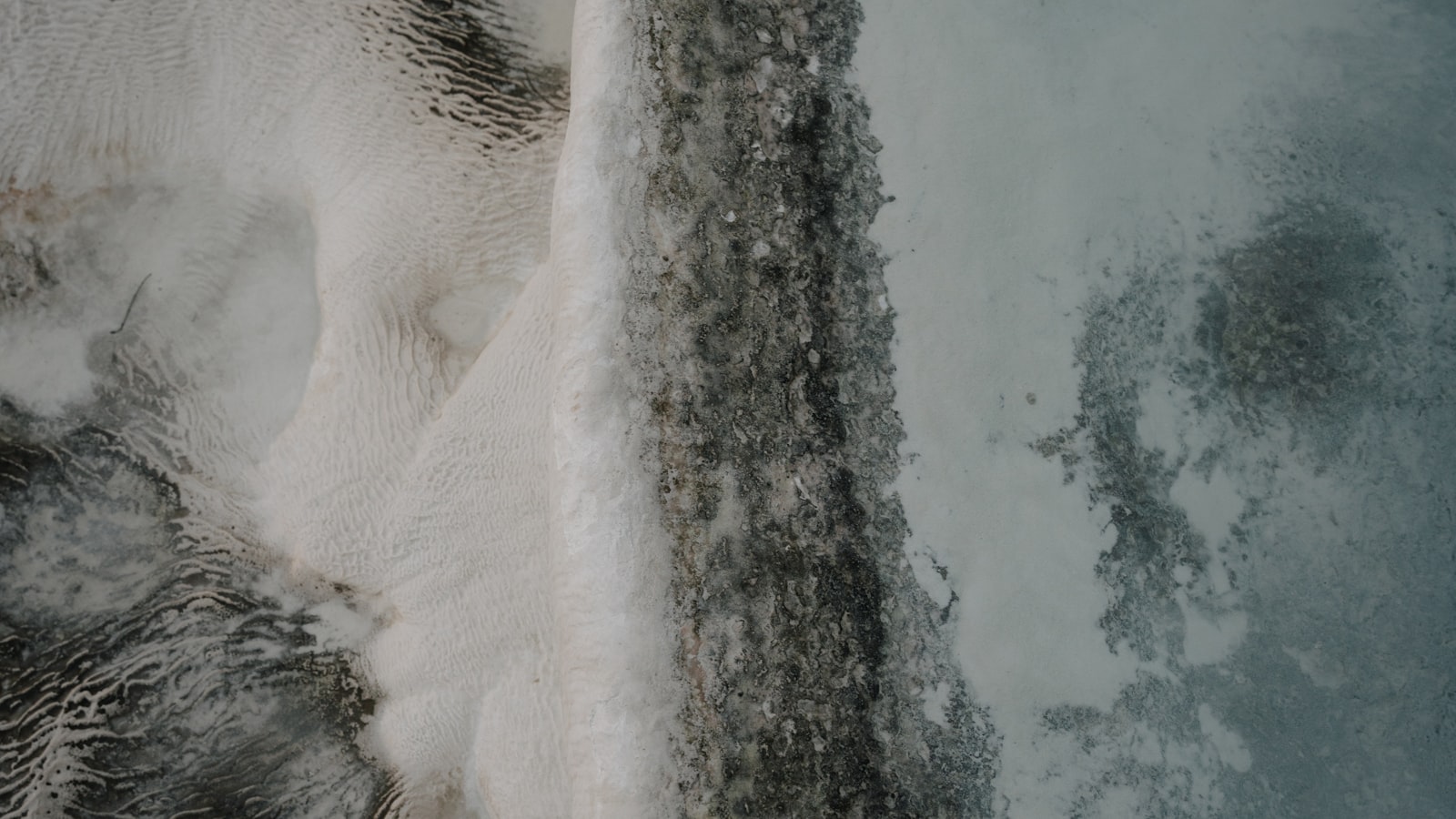
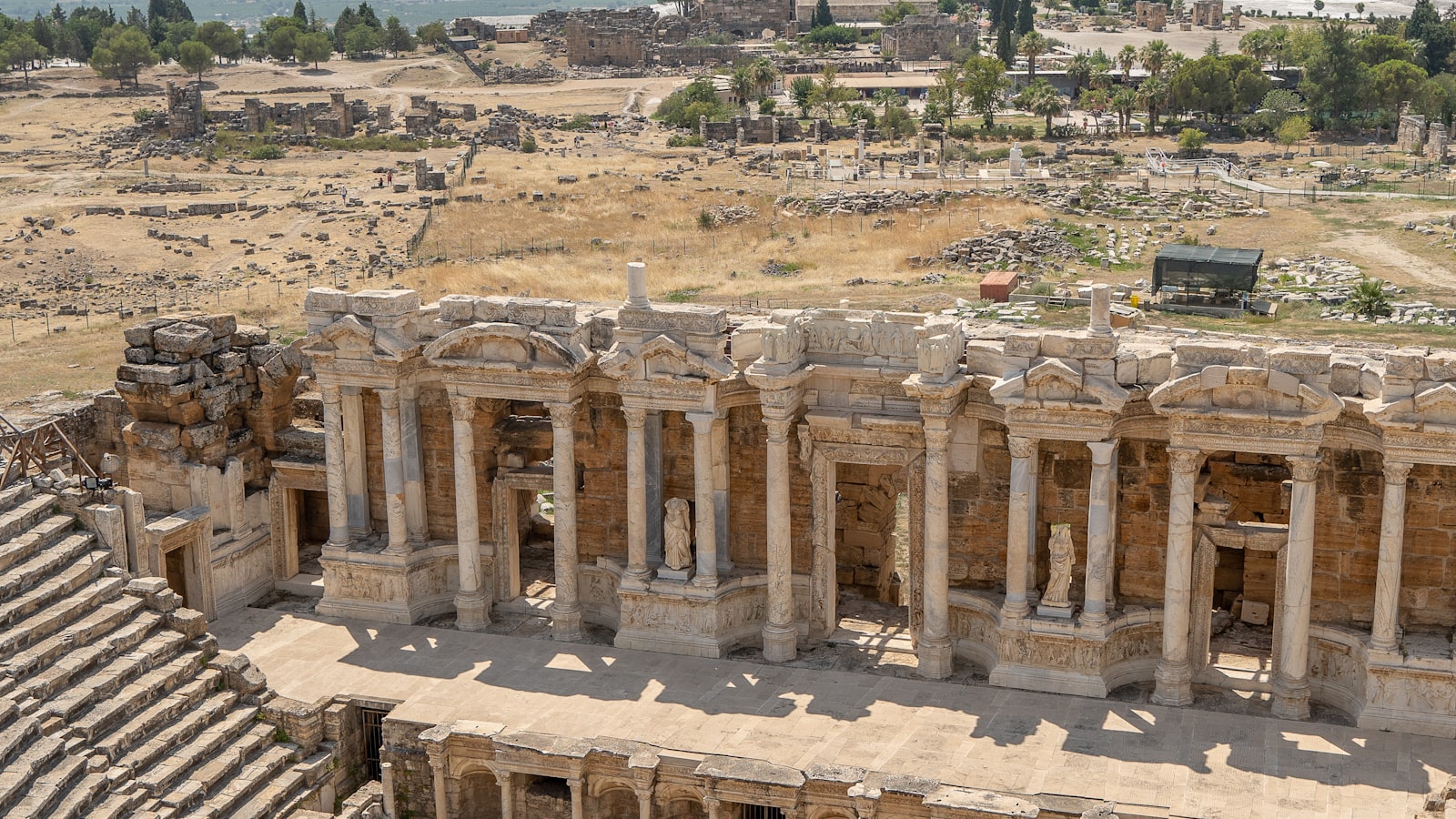
Pamukkale (literally "Cotton Castle" in Turkish) is a UNESCO World Heritage Site in southwestern Turkey. Over thousands of years, calcium-rich thermal waters have created terraces of white travertine — cascading mineral pools that look like frozen waterfalls. On the plateau above sits Hierapolis, a sprawling Greco-Roman spa city founded around 190 BC.
The combination of the natural travertines and ancient ruins makes Pamukkale one of Turkey's most unique destinations. It's also one of the most overtouristed, so timing is important.
Best Time to Visit
| Season | Weather | Crowds | Best For |
|---|---|---|---|
| Apr–Jun | Warm (20–30°C) | Moderate | Best balance of weather and crowds |
| Jul–Aug | Very hot (35–40°C) | High | Only early morning or late afternoon |
| Sep–Nov | Warm to mild (15–28°C) | Moderate | Good weather, fewer tour groups |
| Dec–Mar | Cool (5–15°C) | Low | Quiet, but thermal pools feel warmer relative to air |
Top Things to Do
- Walk the travertine terraces — You must remove shoes. Wade through warm shallow pools on the white terraces. See our travertines guide for rules and tips.
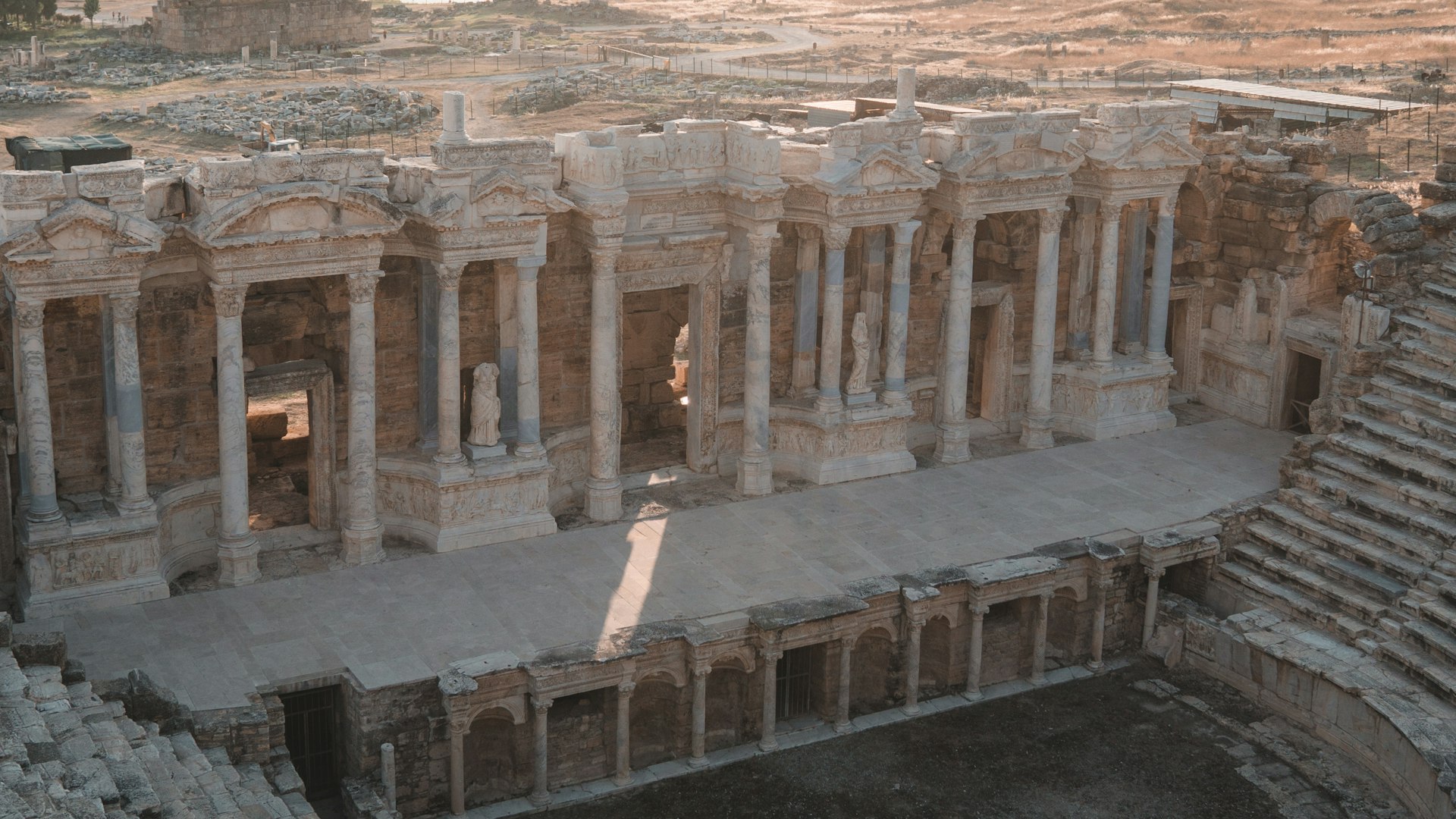
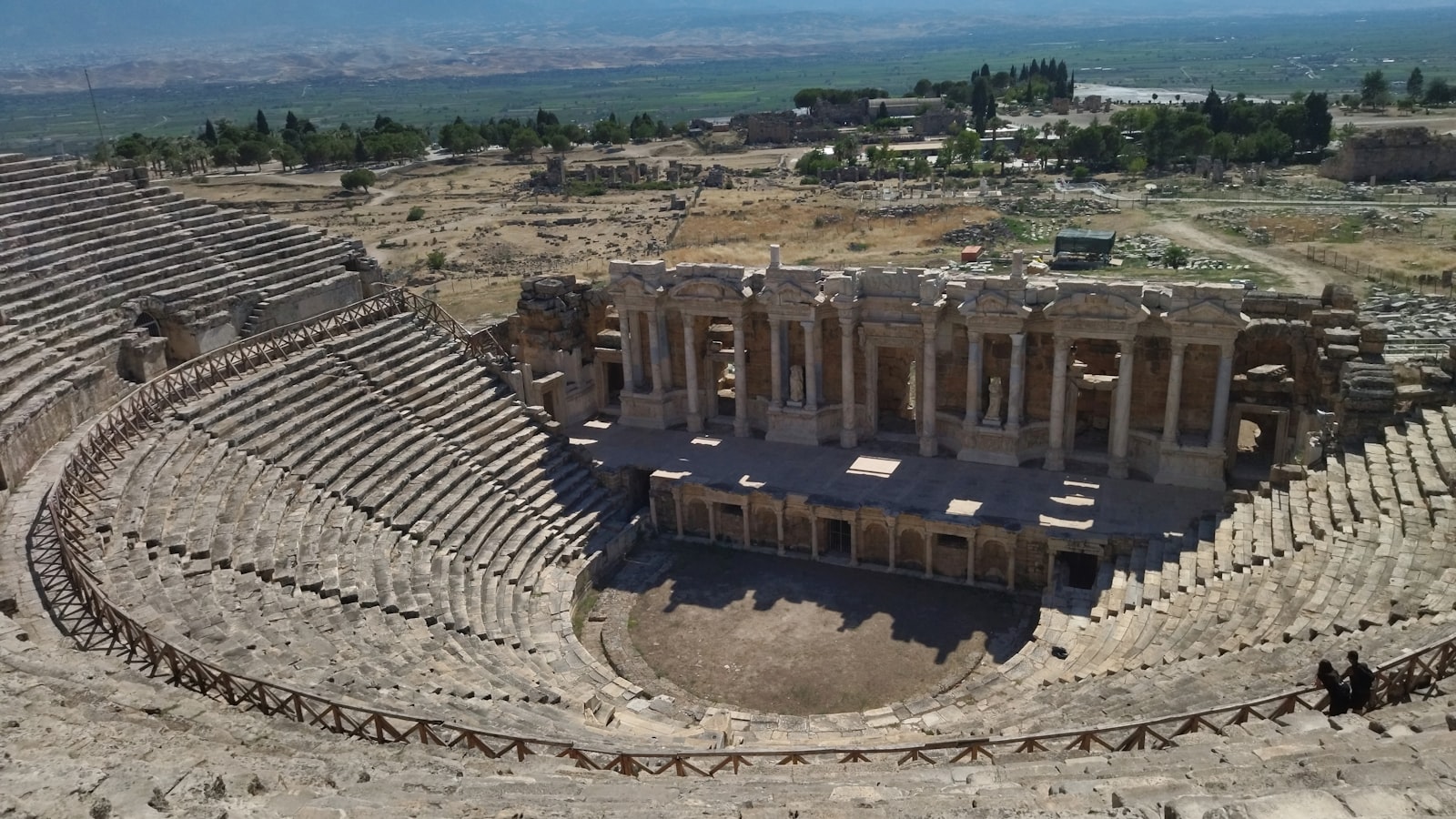
- Hierapolis ruins — Extensive ancient city above the travertines. Major sights include the theater (12,000 seats, remarkably preserved), necropolis (one of the largest ancient cemeteries), Temple of Apollo, and the Plutonium (cave of toxic gases, don't approach). See our Hierapolis guide.
- Cleopatra's Pool (Antique Pool) — A thermal swimming pool filled with ancient column fragments. Warm (36°C year-round). Separately ticketed. Popular; expect queues in summer.
- Hierapolis Archaeology Museum — Located in restored Roman baths within the site. Small but excellent collection of sarcophagi and sculptures.
- Kaklik Cave — A lesser-known "underground Pamukkale" about 30 km away with small travertine formations inside a cave.
Where to Stay
| Location | Best For | Pros | Cons |
|---|---|---|---|
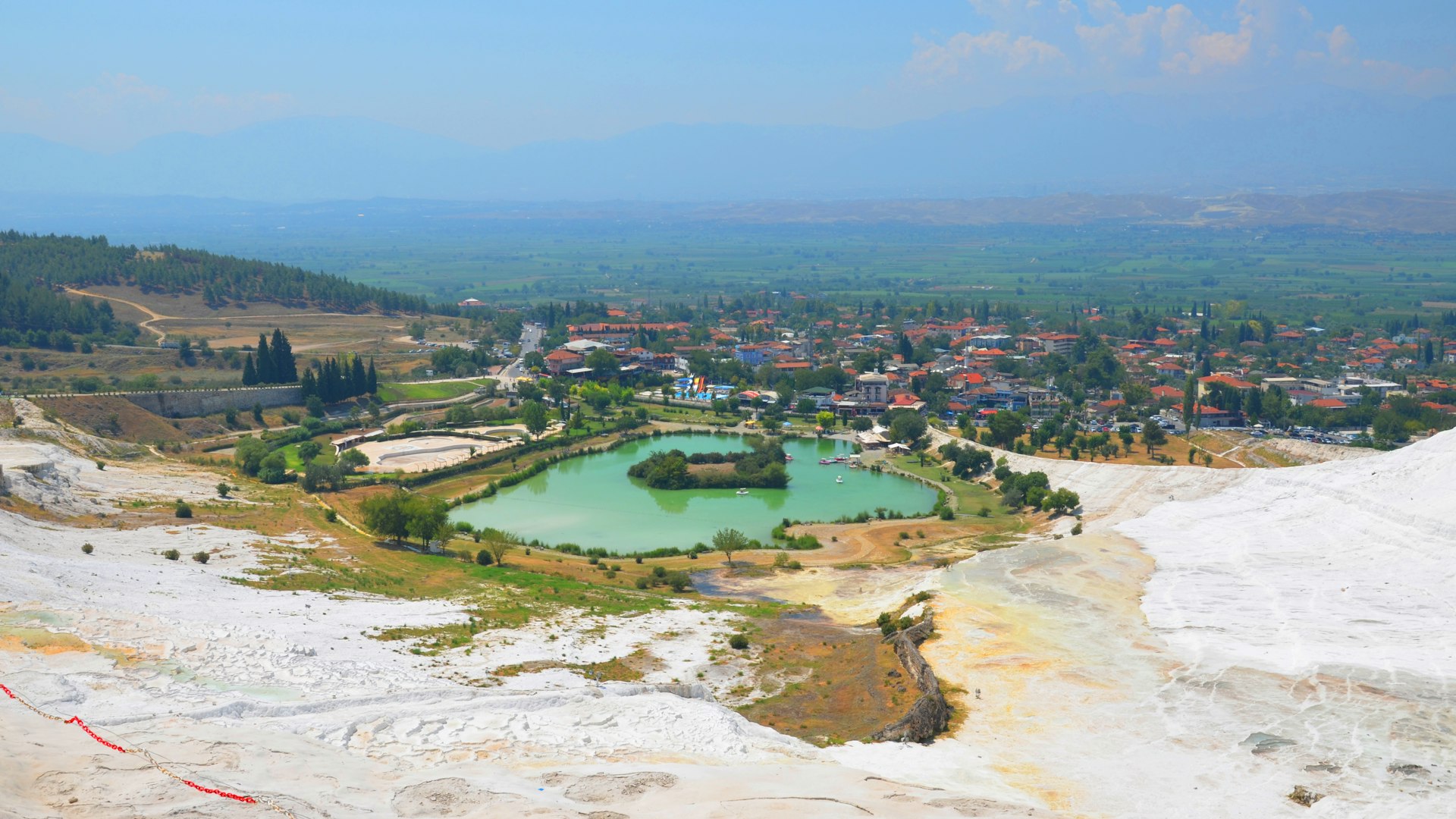
| Pamukkale village | Overnight visitors | Walk to the terraces, catch sunrise, cheaper | Very small town, limited dining |
| Denizli | Transit travelers | More hotels and restaurants, city services | 20 min drive to Pamukkale, no charm |
For details, see Where to Stay: Pamukkale Village vs Denizli.
Getting There
Pamukkale is in Denizli province, inland from the Aegean coast.
| From | How | Duration | Typical Cost |
|---|---|---|---|
| Denizli | Minibus/taxi | 20 min | $0.50–$1.50 / $4–$6 |
| Izmir | Bus | 3.5–4 hours | $6–$10 |
| Antalya | Bus | 3–3.5 hours | $6–$8 |
| Istanbul | Fly to Denizli (1.5 hrs) + bus | ~2.5 hours total | $40–$80 flight + $0.50–$1.50 |
| Selçuk/Ephesus | Bus via Denizli or direct tour | 3–4 hours | $6–$8 |
See our Pamukkale day trip options guide.
Suggested Itinerary: 1 Day at Pamukkale & Hierapolis
Early morning: Enter from the south gate for the travertine terraces (fewer crowds, best light). Wade up through the terraces — about 30–45 minutes of walking. Mid-morning: Reach the Hierapolis plateau. Explore the theater, walk the main colonnaded street, visit the necropolis. Lunch: Restaurant near the site or back in Pamukkale village. Afternoon: Cleopatra's Pool (book in advance in peak season) → Hierapolis Museum → exit via north gate.
Common Mistakes
- Visiting between 11 AM and 3 PM — Tour buses arrive en masse. The terraces get crowded and the midday light washes out the white. Go early morning or late afternoon.
- Only doing a day trip without seeing Hierapolis — The ancient city is massive and fascinating. Many day-trippers rush through the terraces and miss it entirely.
- Expecting deep swimming pools — The travertine terraces are shallow wading pools (ankle to knee depth). Cleopatra's Pool is the only deep thermal swim.
- Not bringing a plastic bag for shoes — You must remove shoes on the travertines. A bag keeps them together and dry.