Crowd-Beating Strategies
Timing is Everything
Tour buses from Kuşadası and cruise ships typically arrive between 09:30–10:30. If you enter by 08:30, you'll have 60–90 minutes of relatively empty ruins.
The Direction Trick
Most bus tours enter from the lower gate and walk uphill. Entering at the upper gate means you're walking against the flow of tour groups for the first hour, encountering them as they thin out.
Off-Season Advantage
November–March is dramatically quieter. You may have major monuments nearly to yourself. The weather is mild (10–18°C), though it can rain.
Hidden Gems Most People Miss
1. The Public Latrines
A communal Roman toilet — a long marble bench with holes, positioned over a running water channel. This is where Roman citizens sat side by side conducting business (both kinds). It's one of the most interesting spots in Ephesus for understanding daily life, yet many visitors walk past it.
2. Side Street Inscriptions
The main thoroughfare gets all the attention, but look down the side streets. Carved inscriptions on building stones tell stories — merchant advertisements, political messages, even ancient graffiti.
3. The Footprint Carving
Near Curetes Street, look for a carved footprint in the marble pavement. Ancient Romans believed this pointed the way to the city's brothel — effectively the world's oldest advertisement.
4. The Odeon (Small Theater)
This 1,500-seat indoor theater was used for council meetings and musical performances. It's less dramatic than the Great Theater but beautifully intimate, and usually empty of crowds.
5. Mosaic Sidewalks
Sections of original mosaic flooring survive along Curetes Street. Most visitors walk over them without looking down. Pause and notice the geometric patterns — they're 2,000 years old.
Photography Tips
| Subject | Best Time | Best Position |
|---|---|---|
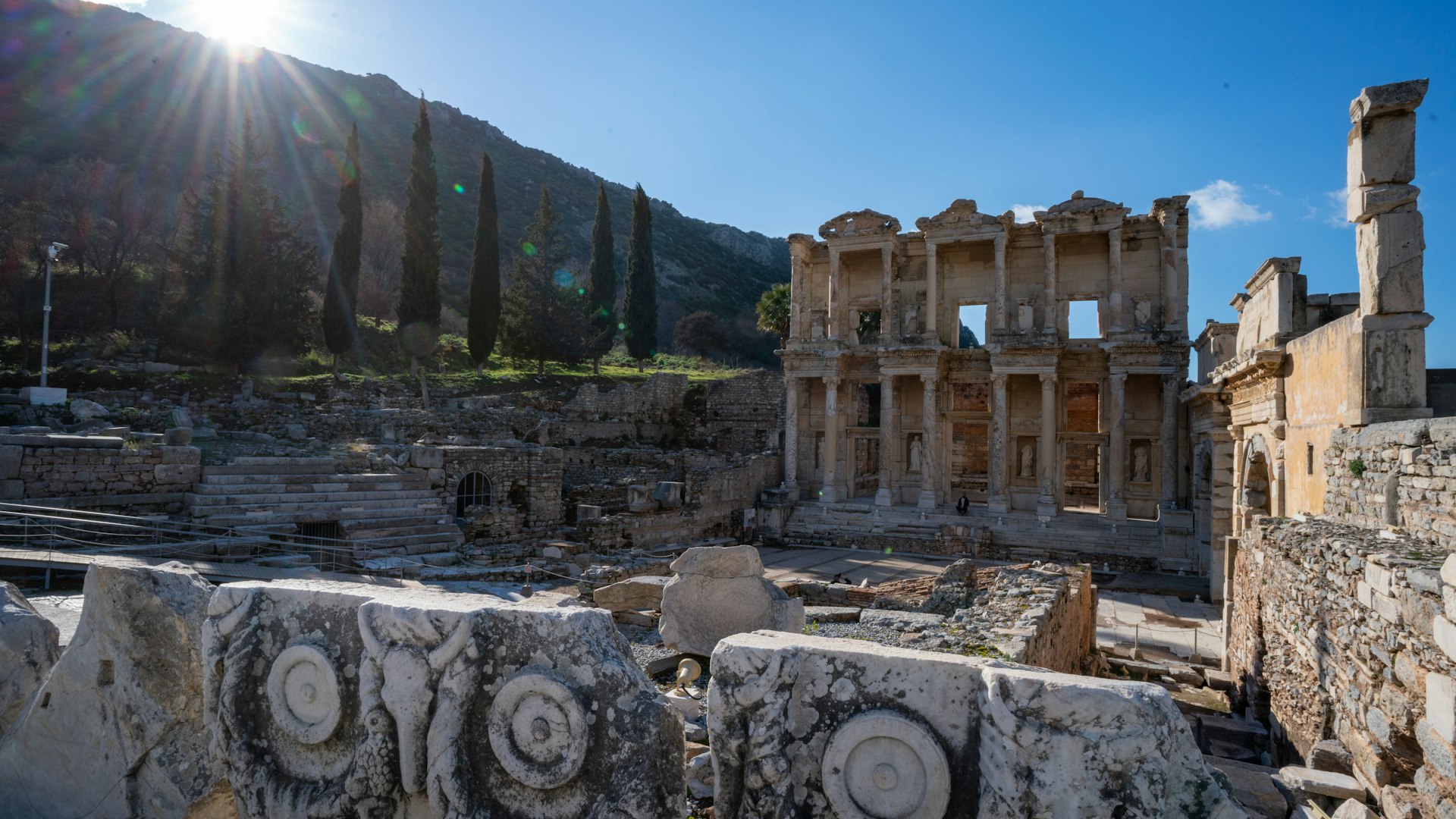
| Library of Celsus | Afternoon (facade faces west) | Center of the plaza, slightly left |
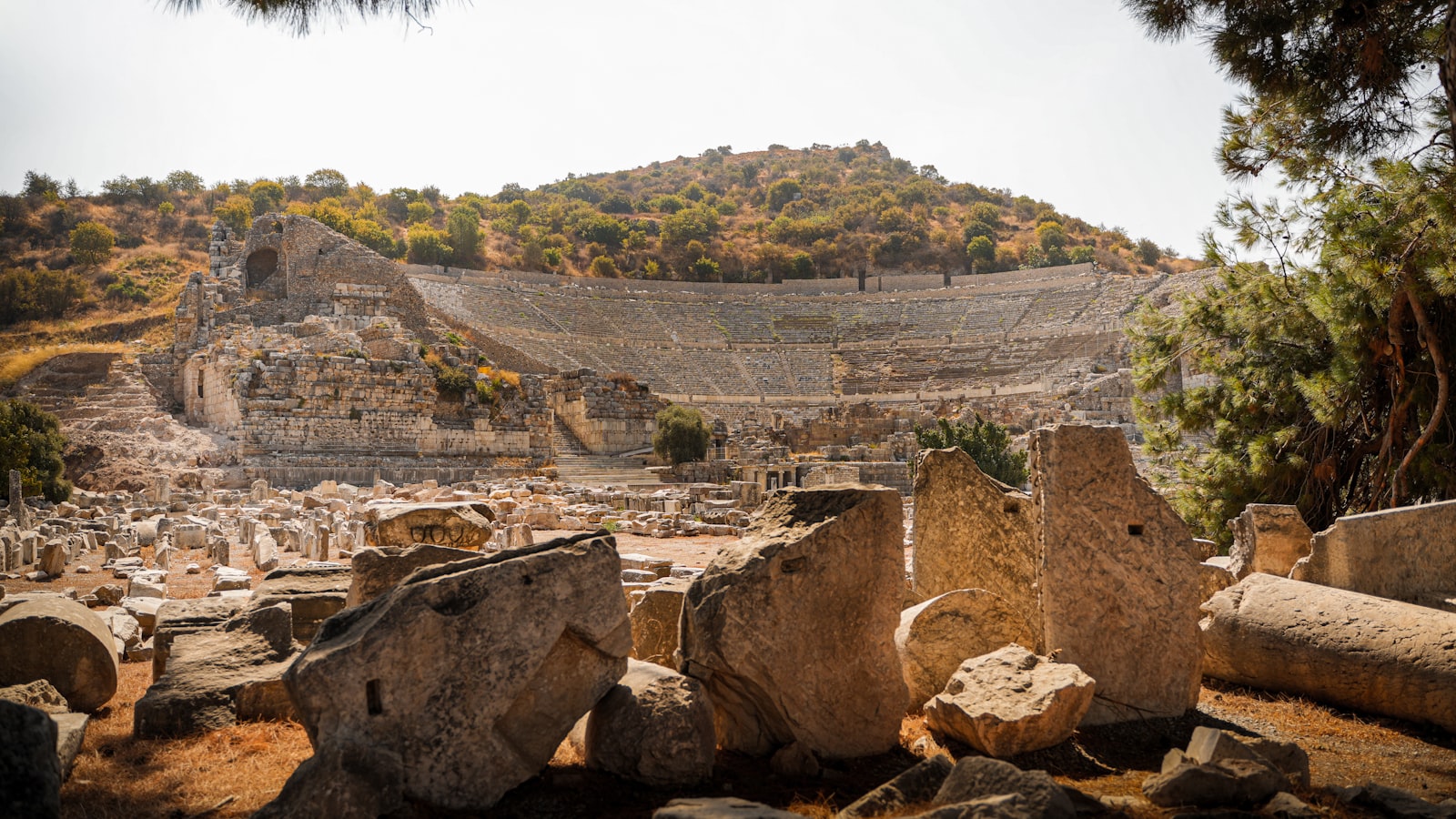
| Great Theater | Morning (sun behind you) | From the road below, looking up |
| Curetes Street | Early morning (fewer people) | From the upper end, looking down |
| Terrace Houses | Anytime (indoor, covered) | Get close to mosaic floors |
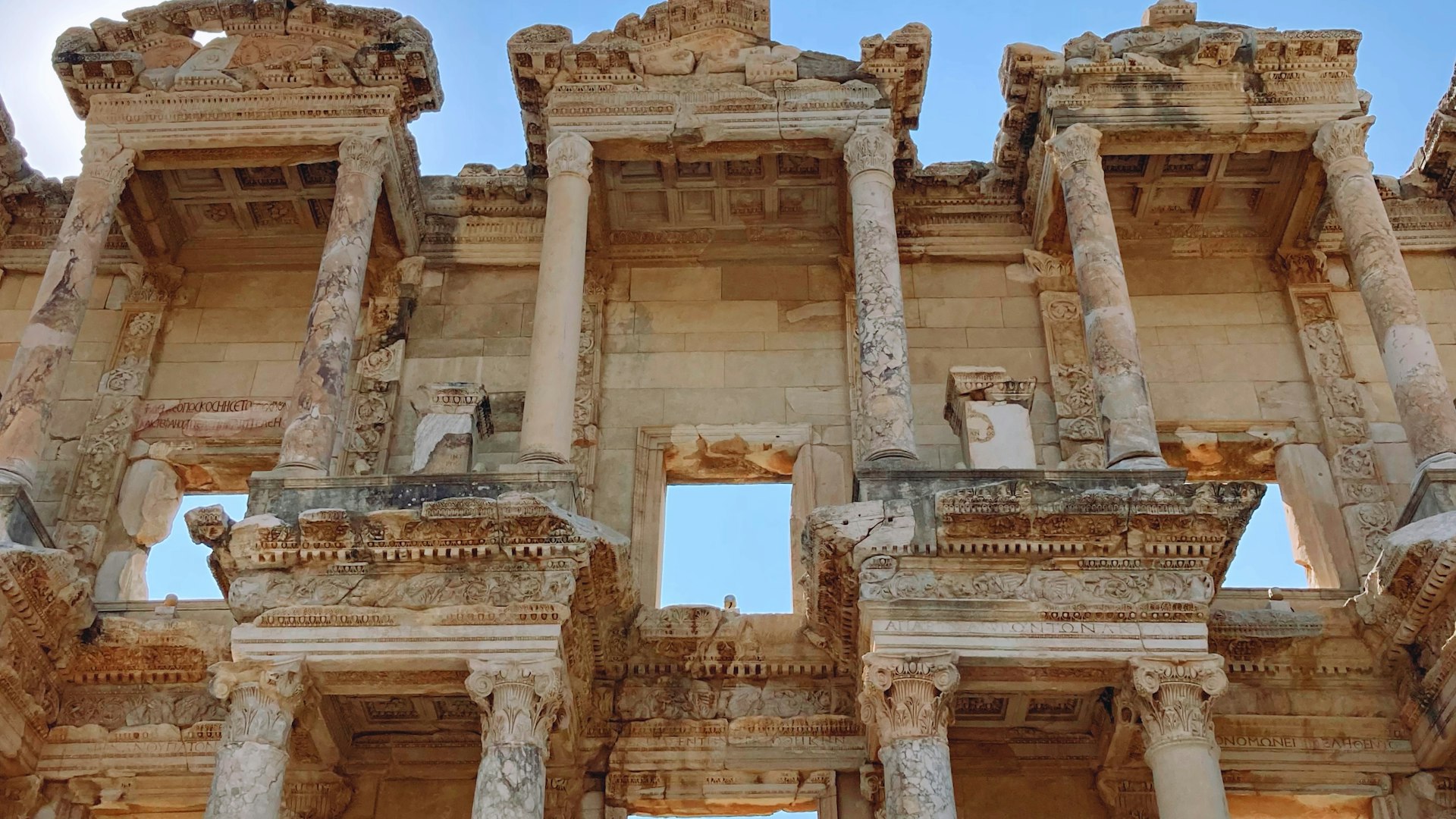
| Columns & details | Morning (soft light) | Low angle for drama |
General tip: The most iconic photo (Library of Celsus without crowd) requires arriving before 09:00 or visiting in the off-season.
Common Mistakes to Avoid
-
Skipping the Terrace Houses — The separate ticket ($6–$10) is absolutely worth it. These Roman villas with original mosaics and frescoes are among the best-preserved domestic spaces in the ancient world.
-
Rushing through — Many tour groups spend only 60–90 minutes. Allow at least 2–3 hours to appreciate the details.
-
Not bringing water — There are limited (and overpriced) vendors inside. Bring at least 1 liter per person.
-
Wearing sandals — The ancient marble streets are smooth and slippery. Wear closed-toe shoes with grip.
-
Visiting midday in summer — 35°C+ with almost no shade. The ruins are spectacular but miserable in peak heat. Morning or late afternoon only.
-
Ignoring the smaller structures — Everyone photographs the Library and Theater. But the Temple of Hadrian, Fountain of Trajan, and side-street buildings reveal just as much about Roman life.
What You Can Skip (If Short on Time)
- The Stadium — Partially excavated, mostly grassy mounds. Not especially photogenic.
- The Gymnasium of Vedius — Interesting conceptually but little remains to see.
- The parking lot souvenir shops — Overpriced and generic. Selçuk town shops are better value.
Accessibility Notes
- The site involves walking 1.5–2 km on uneven marble and stone surfaces
- The upper-to-lower gate route is mostly downhill
- No wheelchair access inside the main site (though improvements are occasionally made)
- Shade is very limited — umbrellas and hats are essential in summer