Is Istanbul Safe?
Istanbul is generally safe for tourists. Violent crime targeting visitors is rare. The main risks are petty scams and overcharging — annoying but not dangerous. Standard travel precautions apply: keep valuables secure, be aware in crowded areas, and trust your instincts.
The Most Common Istanbul Scams
1. Taxi Overcharging
The most common scam. Tactics include:
- Not running the meter — Always insist; if they refuse, get out.
- Taking the long route — Especially from airports. Have Google Maps open.
- "The meter is broken" — It's not. Find another taxi.
- Quick bill swap — Handing you a $0.25 note back and claiming you gave them $0.25 instead of $1.50.
How to avoid it:
- Use BiTaksi app — it shows the route, estimated fare, and you can rate the driver
- Note the plate number before getting in
- Pay with small bills so you know exactly what you handed over
- Rides within central Istanbul should rarely exceed $3–$6
2. The Shoe-Shine Trick
A shoe-shiner "accidentally" drops his brush near you. When you pick it up or call out to him, he thanks you profusely and insists on shining your shoes for free — then demands an inflated payment.
How to avoid it: Simply walk on if someone drops a brush near you. Don't engage.
3. The "Friendly Local" Bar Scam
A well-dressed local strikes up friendly conversation (often in good English) and suggests going to a bar or club together. Inside, you're pressured to buy overpriced drinks. The bill arrives at $200–$500+, and intimidating staff insist on payment.
How to avoid it:
- Be cautious of overly friendly strangers who steer the conversation toward going out for drinks
- Choose your own bars and restaurants rather than being led somewhere
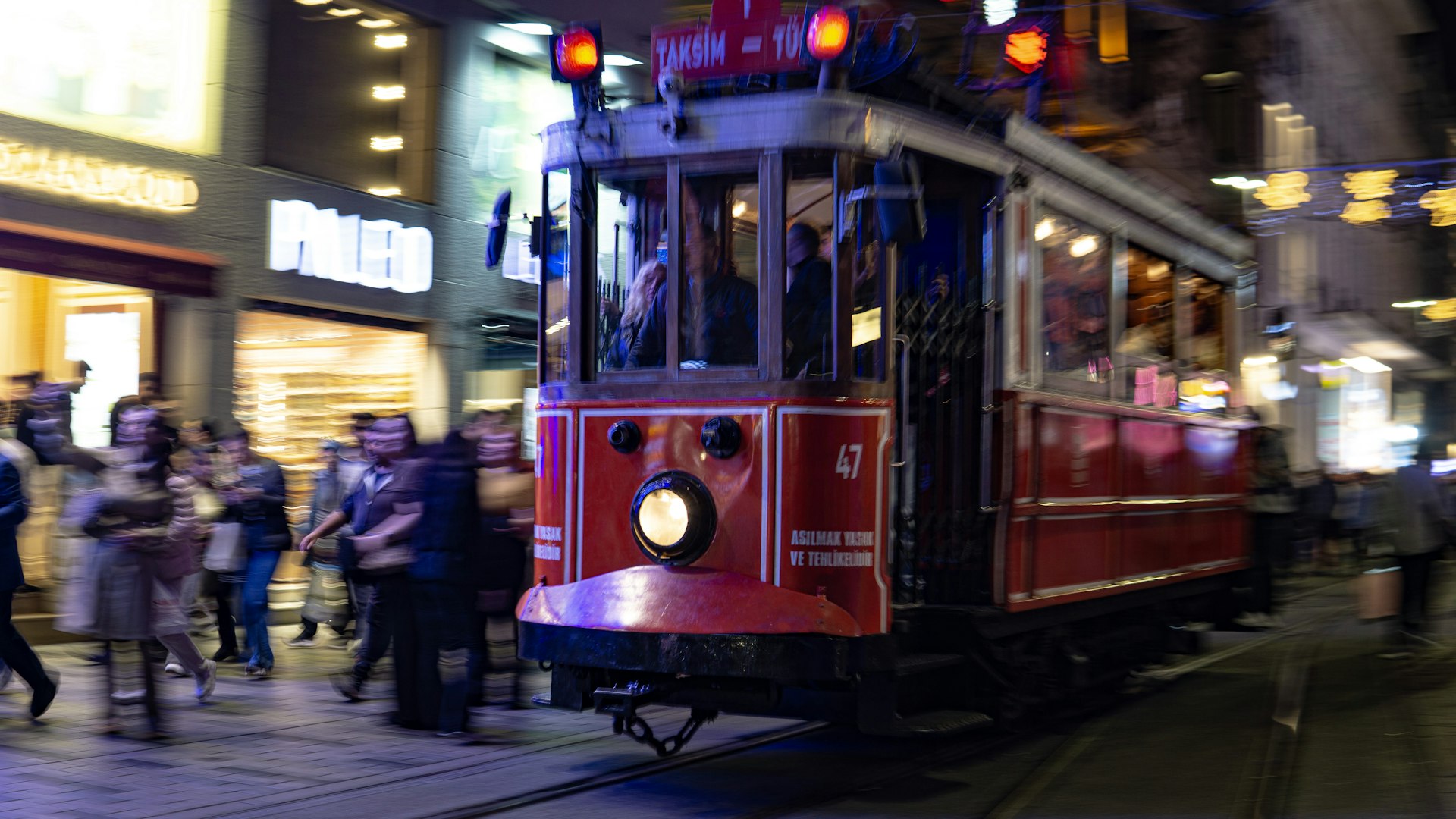
- This scam typically targets solo male travelers near Istiklal Avenue and Taksim
4. Restaurant Bill Padding
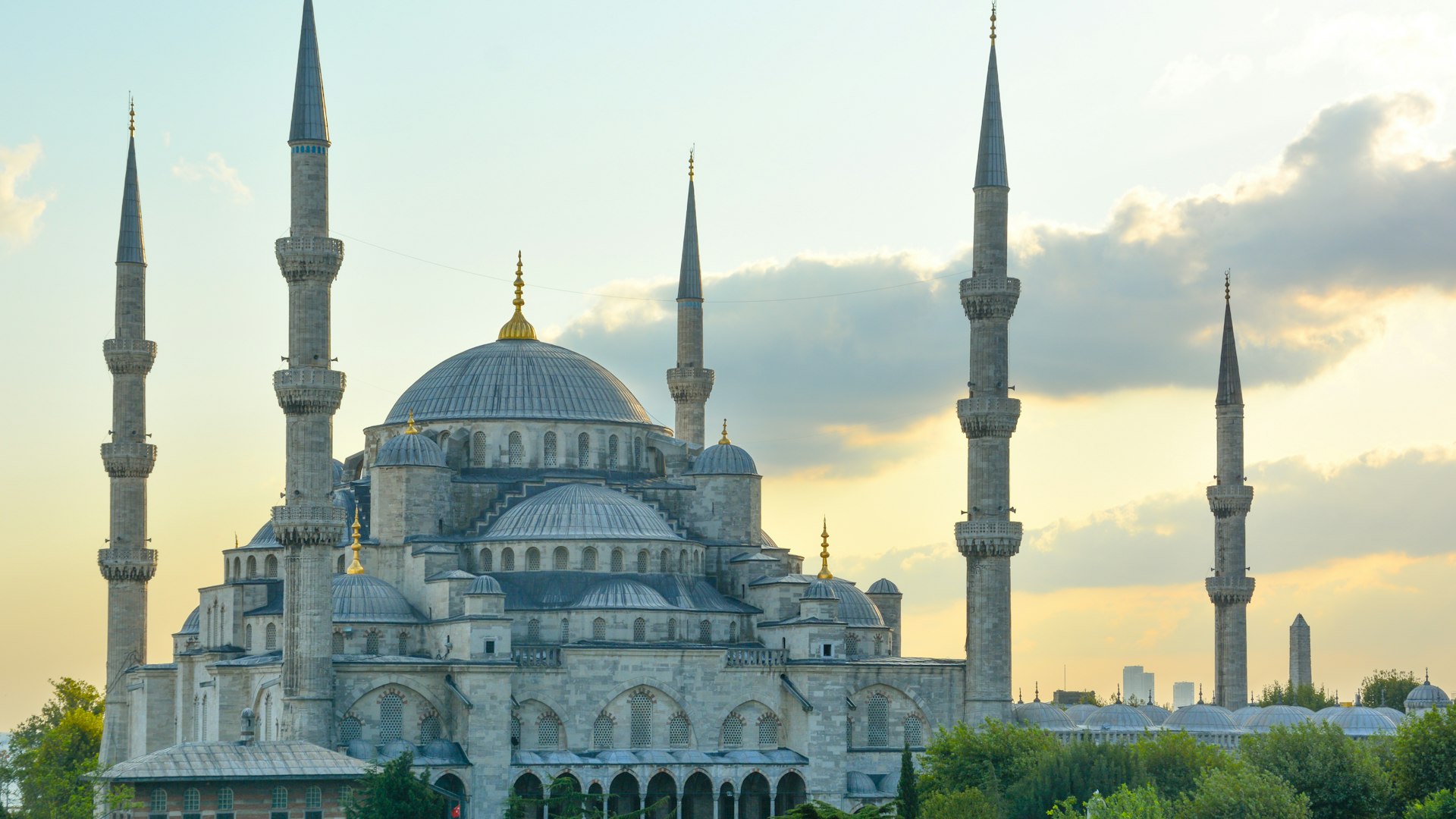
Common in tourist-heavy areas (Sultanahmet, Grand Bazaar surroundings):
- Unlisted cover charges (bread, water, meze you didn't order)
- Higher prices for tourists than listed on the menu
- "Specials" with no price listed that arrive at inflated costs
How to avoid it:
- Always check the menu for prices before ordering
- Ask "how much?" for any specials
- Review the bill line by line before paying
- Eat one street back from major tourist spots for better value
5. Carpet Shop Lure
Someone invites you for "just a tea" at their friend's carpet shop. You spend 30–60 minutes watching a carpet demonstration and then face high-pressure sales tactics.
How to avoid it: A polite "no thank you" is enough. If you're genuinely interested in carpets, go to shops on your own terms and compare prices at multiple stores.
6. Fake Ticket Sellers
People outside popular attractions offering to sell you tickets, skip-the-line access, or tours at "special prices." These are often marked up or include unwanted extras.
How to avoid it: Buy tickets at the official box office or through official museum websites. The Museum Pass is the only legitimate skip-the-line option for state museums.
7. Currency Confusion
Turkey uses the Turkish Lira (₺). Some vendors may quote prices in euros or dollars and then apply an unfavorable exchange rate, or confuse tourists by mixing currencies.
How to avoid it:
- Always clarify the currency before agreeing to a price
- Exchange money at official exchange offices (döviz), not at hotels or random street exchangers
- ATMs generally offer the best exchange rate (use bank ATMs, not standalone machines)
General Safety Tips
- Pickpockets operate in crowded areas: Grand Bazaar, Istiklal Avenue, rush-hour metro/tram. Keep your phone in a front pocket.
- Use transit apps — Google Maps and Moovit work well for public transport.
- Tap water — Generally safe in Istanbul but most locals drink bottled or filtered water.
- Emergency number — 155 for police, 112 for ambulance.